

Ceiling Lights


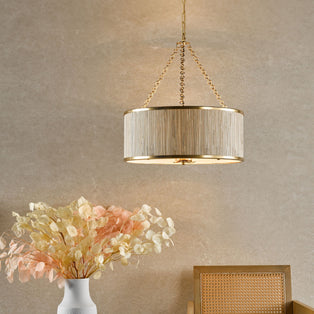
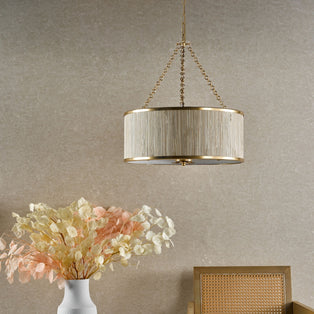
Fenella 5 Light Gold Pendant Ceiling Light


Hamilton 3 Light Polished Chrome Semi Flush Ceiling Light







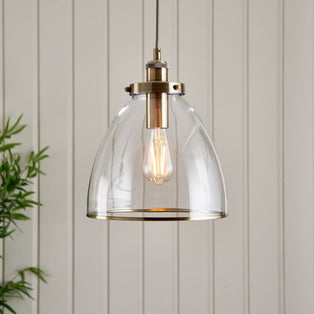
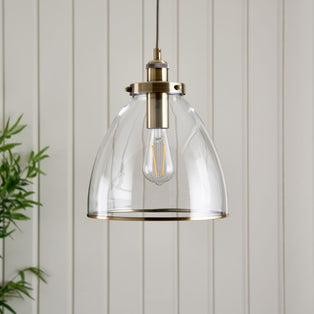


Huerta 2 Light Black LED Flush Ceiling Light
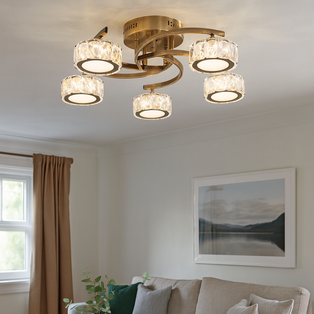
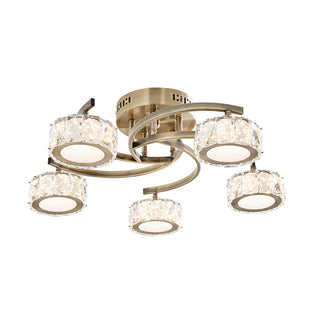
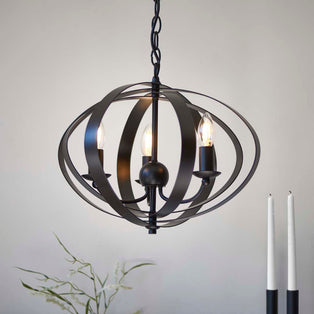
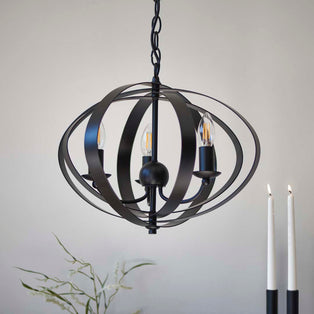
Midnight 3 Light Matte Black Pendant Ceiling Light


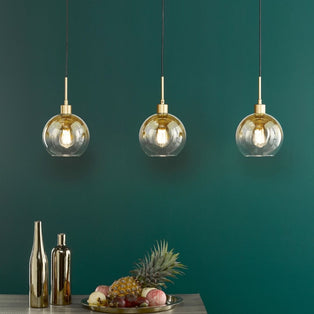
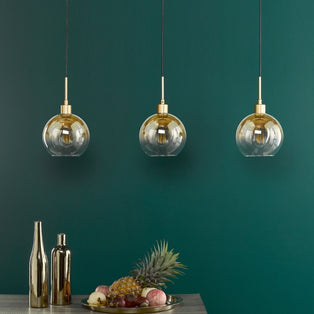

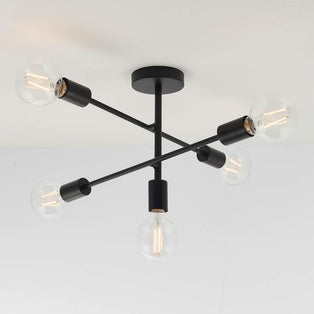
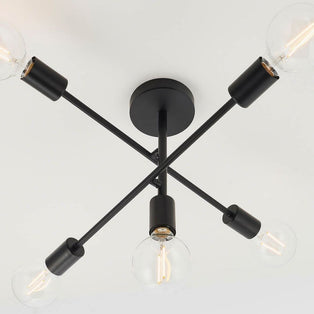
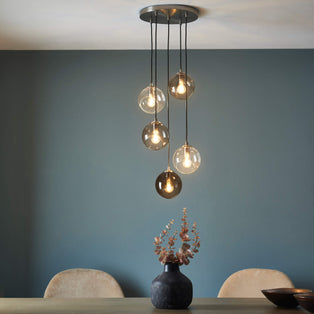
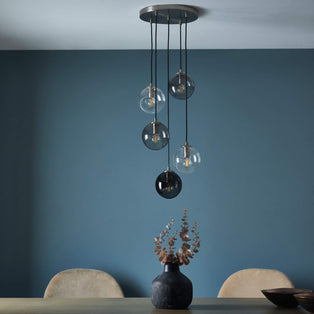
Branco Multi Light Ceiling Light Pendant


Riva Antique Brass Semi-Flush Ceiling Light


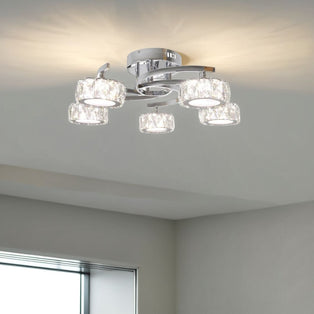
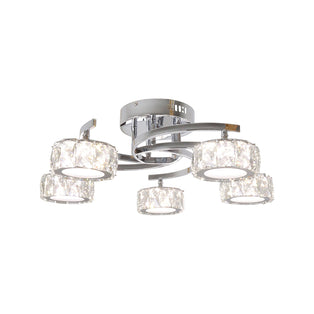
Dilan 5-Light Polished Chrome LED Semi-Flush Ceiling Light
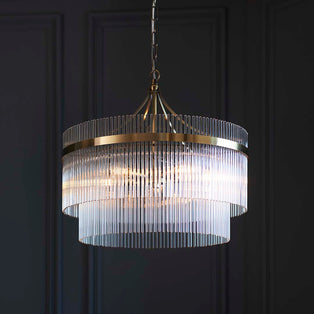
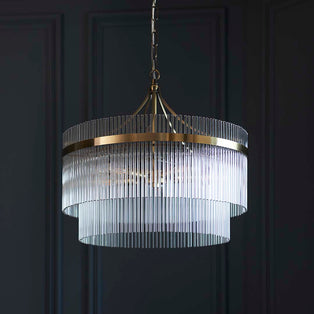


Willis Pendant Ceiling Light


Sable Matte Black Glass Easy-Fit Pendant


Kaitlin 3-Light Antique Brass Semi-Flush Ceiling Light


Zelina Grey and Gold Wide Easy-Fit Pendant


Venezuela Gold Pendant Ceiling Light Large
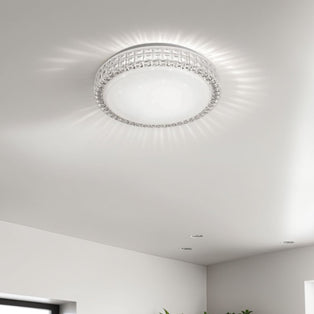
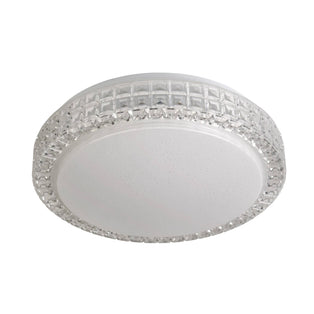
Estee Small LED Flush Ceiling Light


Riva Antique Brass Single Pendant


Bali Woven Bamboo Small Pendant Ceiling Light


Onega 3 Light Antique Brass & Glass Pendant Ceiling Light

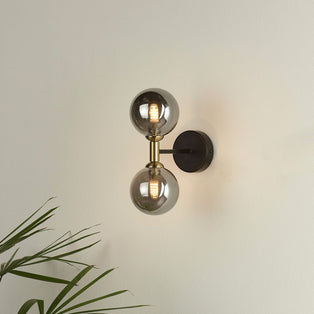
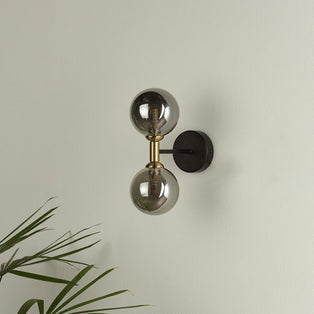
Loxley 2 Light Black & Gold Wall Light


Maywood 3 Light Semi Flush Ceiling Light Antique Brass
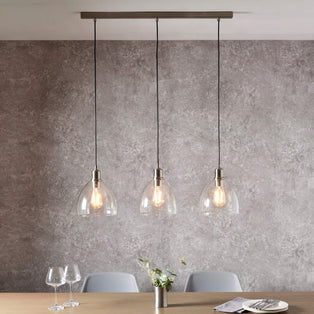
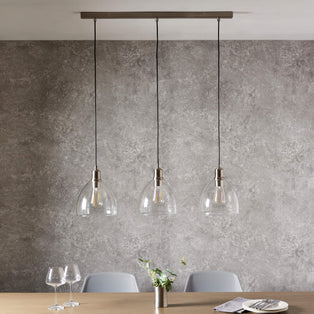
Jacob 3 Light Nickel and Glass Ceiling Pendant Bar


Bali Bamboo Natural Ceiling Pendant


Icarus 3 Light Semi Flush Ceiling Light Polished Chrome
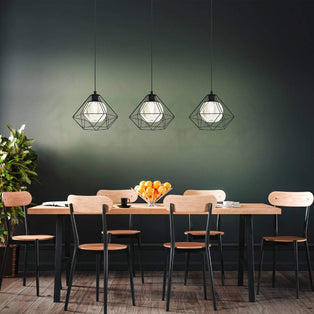
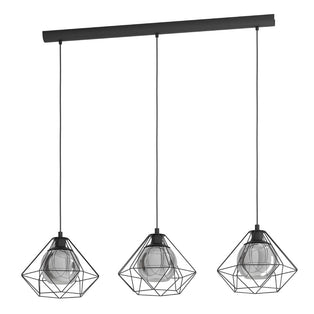


Nyla 3 Light LED Ceiling Light
Ceiling Lights
How to choose the right ceiling lights for your room
As well as your personal design tastes and what suits your wall colour and furniture choices, in terms of choosing the colour and material of your ceiling lights, its important, as discussed previously, to think about:
- Ceiling height and the drop you have available - this will dictate the style you choose from pendant to a flush design.
- The type of bulb and the colour and material of your shade - the colour of the bulb paired with the type of shade, be it glass, fabric, metal, will dictate how the light flows into the room and the atmosphere you create.
- What’s the mood you want in the room? Bedrooms are usually better with warm white light—it’s gentler on the eyes and makes the space feel relaxing. Cool white is great for a bathroom or office, but less so when you’re trying to unwind.
- Consider whether you want a light with an adjustable height, so you can customise its fit to your room or whether this isn’t important to your space.
- Also think about how versatile the lighting in this room needs to be - do you need the option for dimmable lighting or not?
- Do you need your lighting to do more than one thing? If the room doubles as a dressing space or home office, then go for a brighter main light but pair it with table lamps, wall lights, or even some subtle LED strips around wardrobes or behind headboards.
FAQs
How to fit ceiling lights?
Fitting a ceiling light can be complex and needs to be done right. If you are going to fit the light yourself, you must start by turning the power in the property off first.
READ MORE
You will then need to connect the correct wires to the new fitting and then secure the light fitting to the ceiling before testing it by turning the power back on. We always recommend consulting a professional for support with fitting ceiling lights.
How to wire a ceiling light?
If you are choosing to wire a ceiling light without a professional, after you have turned the power off, you need to ensure your live, neutral and earth wires are all connected to the corresponding wires in the light fitting. Only after the ceiling light is wired and fitted should you turn the power back on.
How to change a ceiling light?
The ease and simplicity of changing a ceiling light will come down to what you’re swapping from and what you’re swapping to. If you are changing similar styles, this can be very straight forward, but a bigger change could be more complex.
We always recommend consulting a professional for support when changing ceiling lights but if you are doing this yourself, you must turn the power off before removing the original fitting. You will then need to wire the new fitting to the ceiling using the corresponding wires and then fit the fixture to the ceiling before turning the power back on and testing.
How to change a ceiling light bulb?
Ensure the light fixture is turned off and the current bulbs have had chance to cool down. Use a safe ladder or step stool to access the light fitting, unscrew any elements of the fixture required to access the bulbs before removing the old bulb and fitting the new bulb in the same place. Ensure you have put the full light fitting back together before testing the new bulb.
What are the best types of ceiling lights?
All types of ceiling lights are ideal for different types of homes. Pendant lights and chandeliers add a real sense of glamour and wow-factor and can add some layered and low light which creates a cosy atmosphere. Flush or semi-flush fittings are much more minimalistic and can provide a much wider-spread, brighter light if that is what the room requires. We recommend using social media to look at different inspiration in rooms and homes like yours.
What light bulbs are used in ceiling lights?
The type of light bulb required for a ceiling light can differ depending on the style and size of the fixture. Pendant lights may require larger, more decorative bulbs where a flush fitting needs a different style entirely. Generally, a 60 to 75 wattage light bulb is recommended for ceiling lights.


